Aelfric is saying that the medieval Estates are the working men, fighting men, and praying men. He says that in order for a kingdom to survive, they need all three types of Estates in their kingdom. You need the worker to work the fields and other jobs. You need the fighting men to fend off your enemies and to protect the kingdom. The praying men are needed for the battles on the spiritual side. Each of these Estates is crucial for the kingdom, but they shouldn't ever cross. According to Aelfric, a praying man should never try to be a fighting man or the working man, and the working or fighting man should never try to be a prayer man. At least that is what I got from the reading.
Chaucer mentions the Estates of men in his
General Prologue. We have the praying men, which included the friar, nun, and a parson. We had the working men, which included the physician, lawyer, weaver, dyer, and carpenter. We also had the fighting men, which included the knight, squire, and yeoman. Now these weren't all that were mentioned, but just a few.
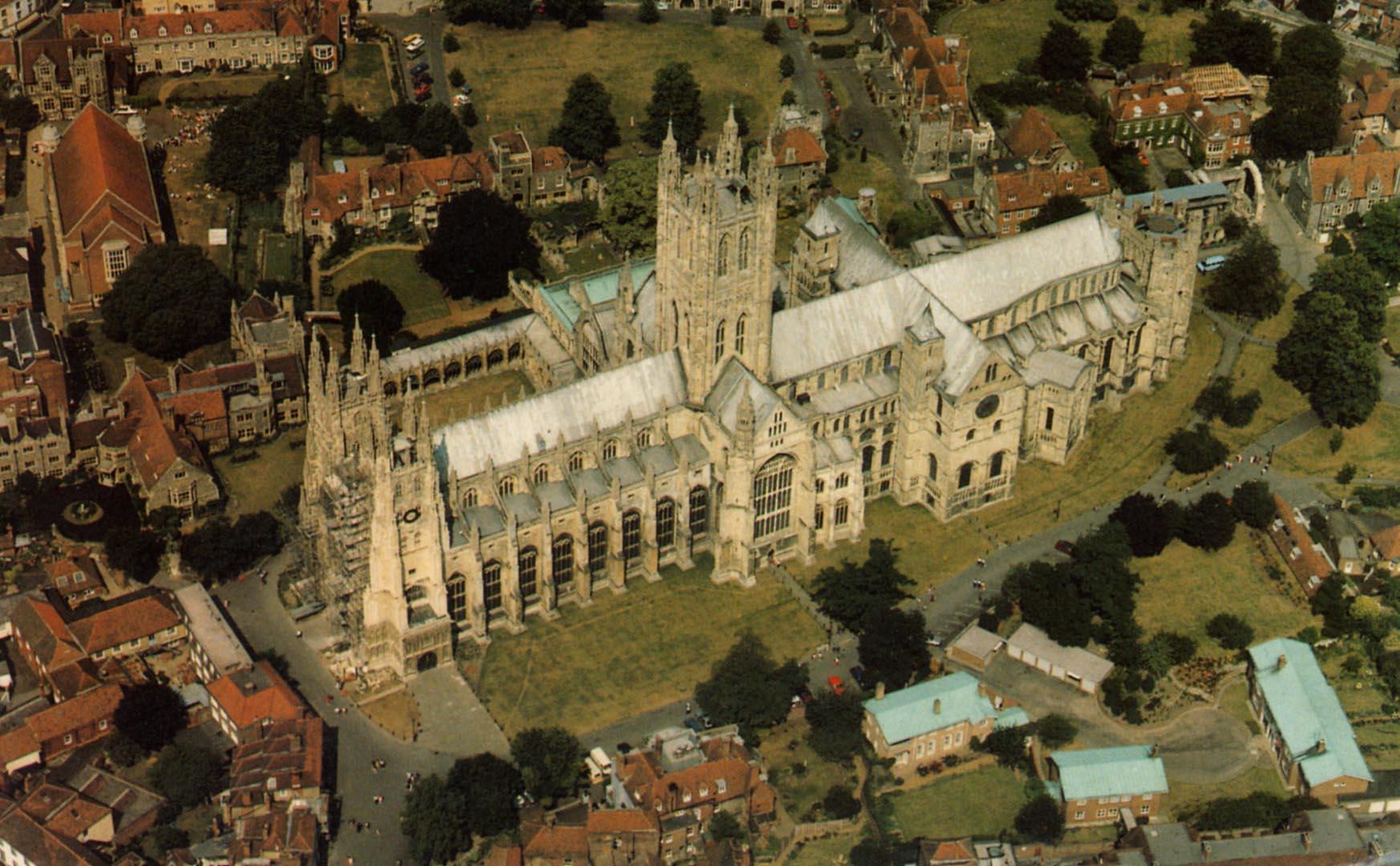
Chaucer's frame tale is a tale of him and all of these different people traveling to and from Canterbury in which each person must tell two stories on the way there and two stories on the way back. Whichever person tells the best story gets a dinner paid for, or something like that, by the host. All of these tales in
The Canterbury Tales are the stories that each of these people tell on the way to and from Canterbury.
I believe that this is called the "Estates Satire" because it allows us to look at stories from each of these kinds of Estates. You have the fighting men Estate in which we will most likely hear a story told the way a fighter would tell it. Then you have stories told in the perspective of the prayers, and also of the laborers. It is a way to see the differences of the Estates. Thus is why I believe some call in the "Estates Satire."


Nice job here. Thanks. 15 points
ReplyDelete